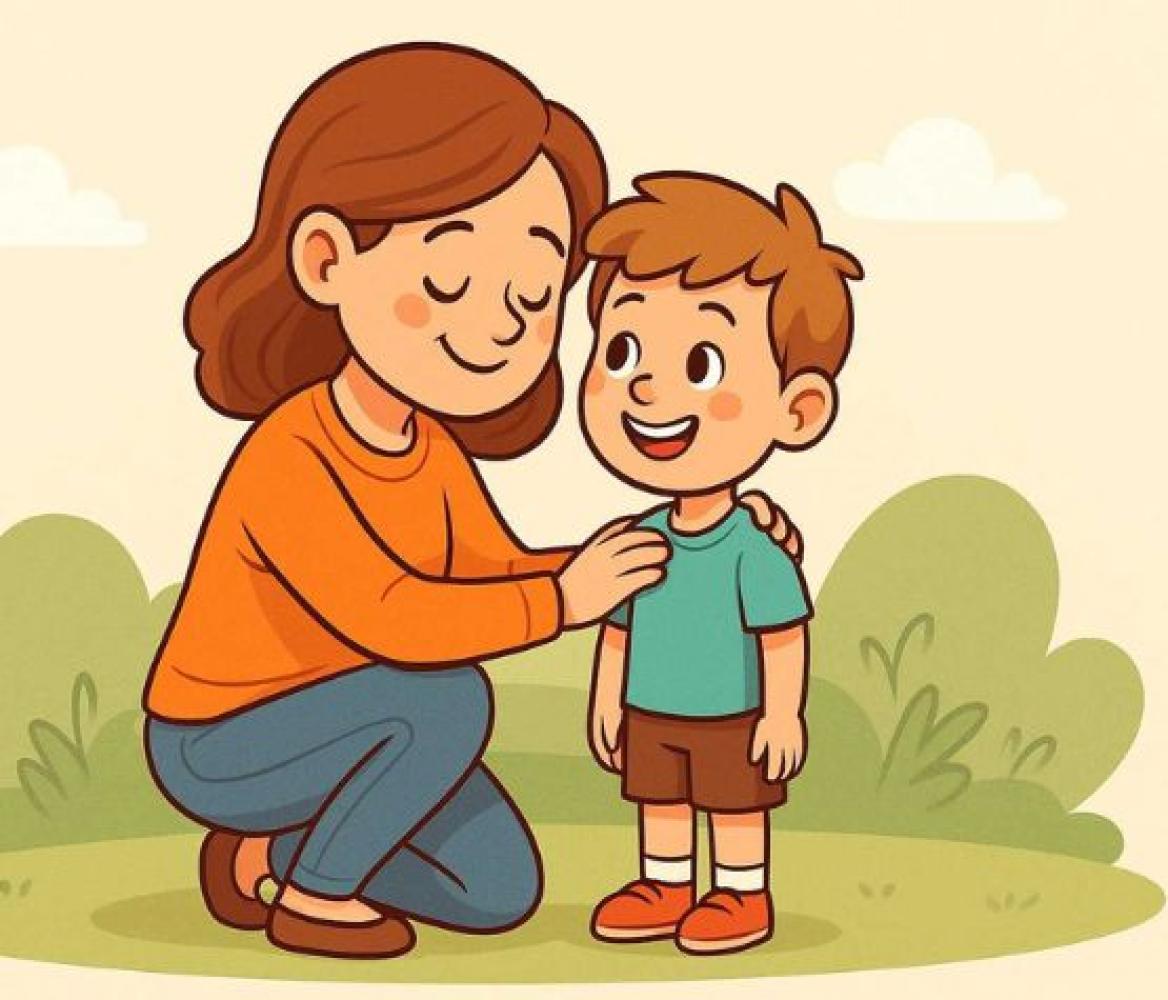
A child’s confidence doesn’t begin in school, at a competition, or during a milestone moment. It begins much earlier—during the tiny, everyday interactions between a child and their caregiver. The smiles, the soothing, the eye contact, the comforting presence—these moments shape what psychologists call secure attachment, a deep emotional bond that becomes the foundation of a child’s self-confidence and sense of safety in the world.
Secure attachment develops when a child feels consistently cared for, emotionally understood, and safe with their caregiver.
It is not about perfect parenting; it is about responsive parenting.
A secure child believes:
These beliefs later become the roots of confidence, resilience, and emotional stability.
Children explore the world only when they feel safe coming back to someone.
When a caregiver provides steady emotional support, the child learns:
“Even if things go wrong, I have someone who understands me.”
This safety becomes the courage from which independence grows.
A securely attached child knows how to manage fear, frustration, or sadness because they’ve learned emotional regulation from their caregiver.
When emotions are soothed—not dismissed—they learn that feelings are manageable.
The confidence to face difficult situations comes from knowing emotions won’t overwhelm them.
Secure attachment teaches the child that they are:
“I matter.”
Children with a strong sense of worth naturally show higher confidence in school, friendships, and new challenges.
A child who feels securely connected is more willing to:
They take risks because they know they have a supportive base to return to. This is the psychological foundation of exploration and learning.
Securely attached children learn empathy, communication, and trust from their first relationship—the one with their caregivers.
These skills help them:
Social confidence grows naturally when a child has experienced emotional connection at home.
A child with secure attachment often:
These qualities aren’t accidental—they are shaped through daily, consistent emotional connection.
How Caregivers Can Build Secure Attachment
Respond to your child’s feelings with warmth, not dismissal.
A simple “I understand you” can build lifelong confidence.
Predictable care teaches safety. Consistency doesn’t mean perfection—it means showing up.
Let children talk about their emotions without fear.
They become more confident when they know their feelings won’t be judged.
Physical and emotional presence matter more than flawless parenting.
Small gestures—listening, hugging, reassuring—create deep emotional security.
Every relationship has misunderstandings.
Coming back to say “I’m here” teaches the child that relationships can heal, which strengthens trust and emotional resilience.
Children with secure attachment often grow into adults who:
Secure attachment isn’t just a childhood bond—it’s a psychological gift that shapes confidence for a lifetime.

Imagine, for a moment, the space before this life began. No weight in your chest, no ticking clock,...
Read More
Just when you thought the digital dating world couldn't get any spookier than ghosting, a new trend...
Read More
Have you ever found yourself replaying a five-second conversation in your head for hours? Or perhaps...
Read More