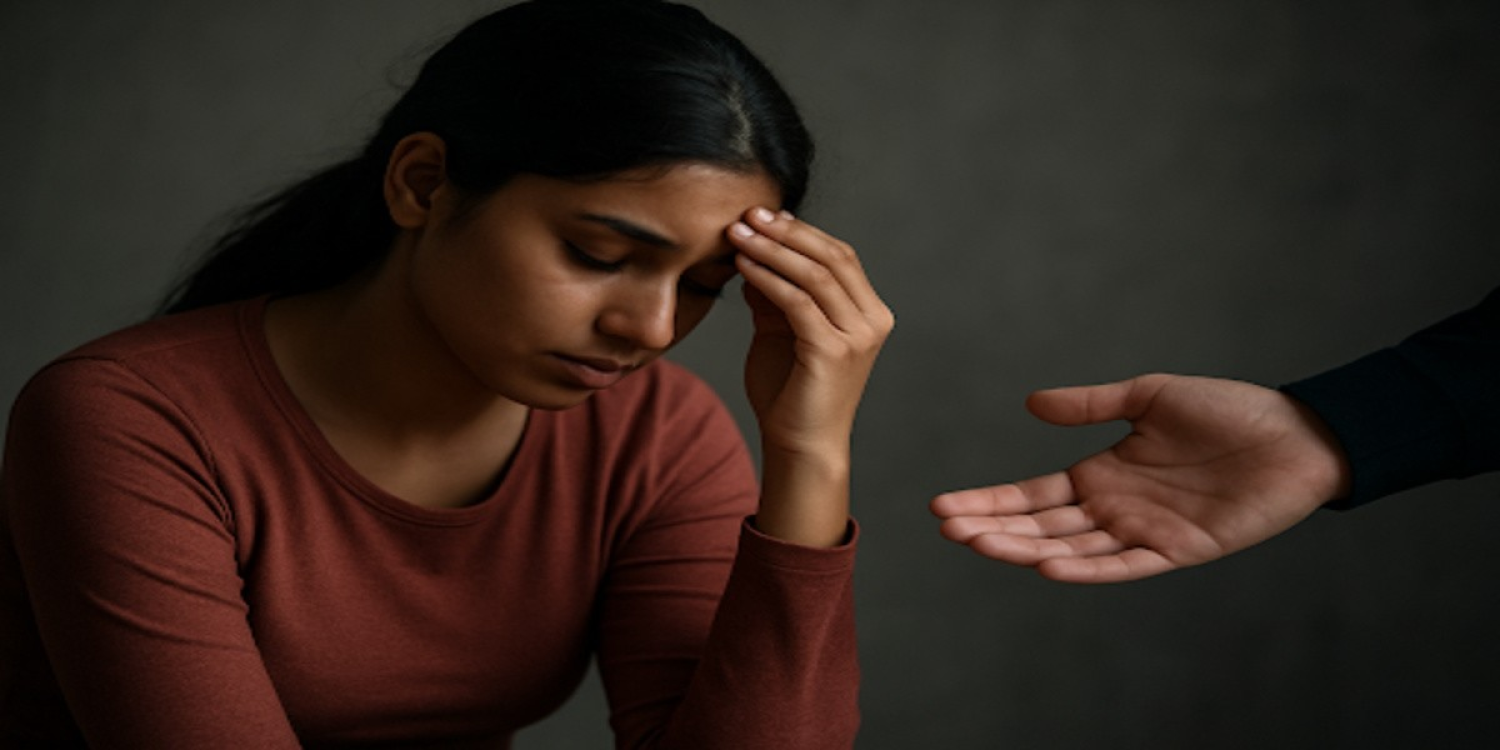
Every year, on World Suicide Prevention Day, we are reminded of the importance of talking about one of the most pressing public health concerns of our time. Yet, too often, when someone dies by suicide, the instinctive reaction is to blame the victim. “Why didn’t they reach out?” “How could they leave their loved ones behind?” Such questions, though natural, overlook the most critical truth: suicide is rarely about choice—it is about circumstances, suffering, and silence.
According to the National Crime Records Bureau (2022), India lost over 170,000 people to suicide, the highest number ever recorded. The suicide rate has steadily increased to 12.4 per 100,000 people, with students, daily wage earners, and homemakers forming some of the largest affected groups. Studies also show that for every life lost, more than 200 individuals struggle with suicidal thoughts and at least 15 attempt suicide.
These numbers are not just statistics—they represent dreams cut short, families left grieving, and communities impacted by stigma and silence.
When someone develops chest pain, we rush them to a cardiologist. If a child has a high fever, parents do not think twice before calling a doctor. Seeking help for physical health is not only accepted but expected. Yet, when it comes to mental health struggles, people are forced to suffer quietly, fearing judgment or shame.
Even though society has progressed in countless ways, mental health still remains a secret—a whispered topic, often hidden until it is too late. This stigma makes reaching out for professional help extremely difficult.
Professions like doctors are respected because they provide care without judgment. Imagine if mental health support were approached with the same openness and normalcy—how many lives could be saved?
Instead of asking, “Why did they do this?”, we should be asking, “What made life so painful that suicide seemed like the only option?” Compassion begins when we acknowledge the suffering behind the act and work toward prevention, not judgment.
If you are reading this and struggling, please remember: you are not alone, and help exists. Just as you would not hesitate to seek treatment for a broken bone or a fever, you deserve the same care for your emotional pain. Reaching out is not a sign of weakness—it is a step toward healing.
And for those of us who are witnesses, friends, or family, let’s create a world where asking for help is as natural as seeing a doctor. A world where silence is replaced by compassion, and stigma by support.
On this Suicide Prevention Day, let’s commit to breaking the silence—because every life matters, and every conversation can be the one that saves a life.
It’s the moment every parent dreads, yet secretly hopes for. Your teenager walks into the room, shif...
Read More
Life leaves its marks on us, doesn’t it? Not just the visible ones—the faded childhood scrape on a k...
Read More
We’ve all been there. It’s 2:00 AM, you’re three hours deep into a Insta scroll-hole, or maybe you’r...
Read More