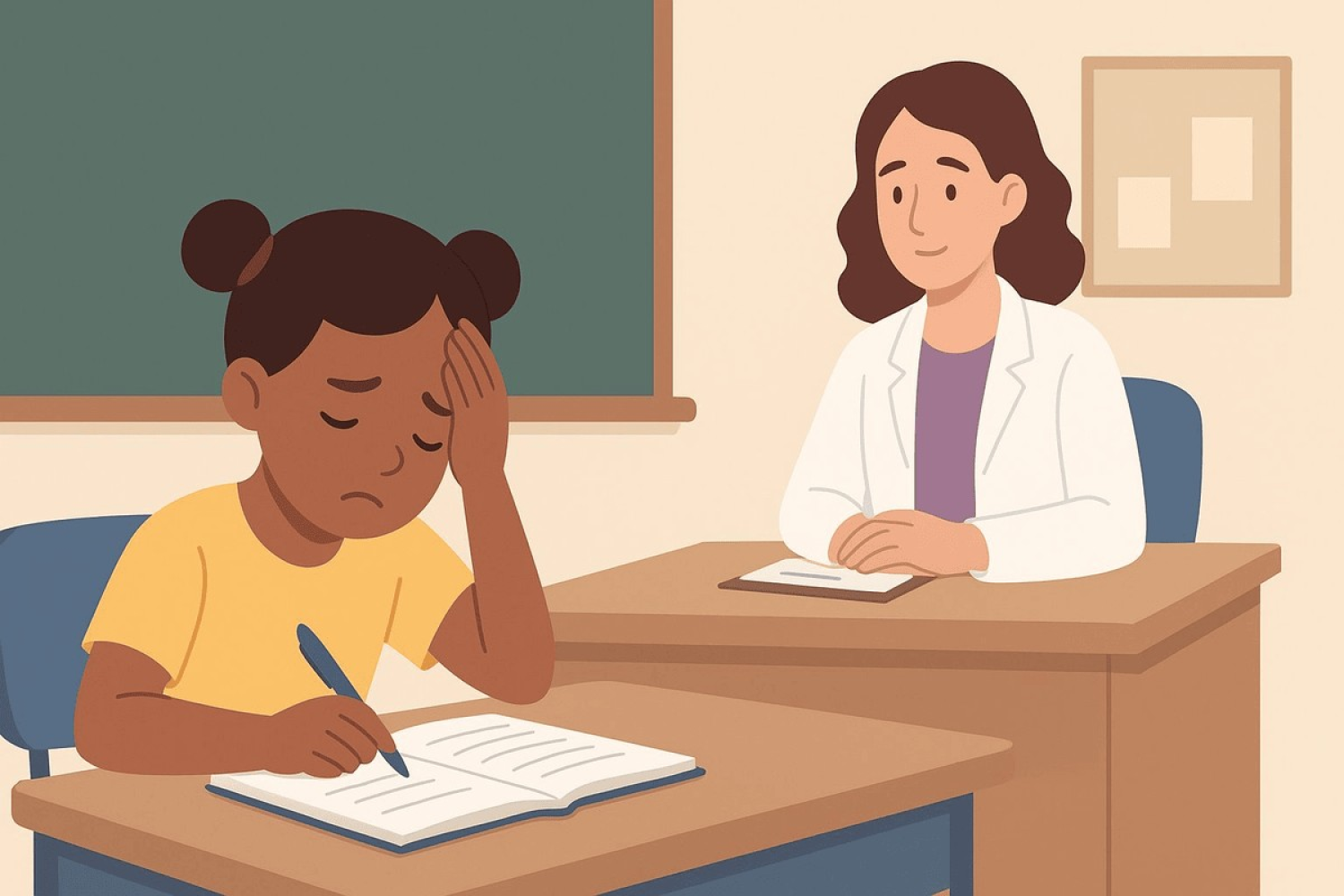
The Supreme Court’s recent judgment in Sukdeb Saha v. State of Andhra Pradesh is more than a legal milestone — it’s a turning point for our society. By declaring mental health as an integral component of the Right to Life under Article 21, the Court has sent a clear message: mental health is not optional, not secondary, and not a luxury. It is a right as fundamental as breathing, eating, or sleeping.
But laws and judgments alone cannot transform realities. The true change will begin in our schools.
Children spend a majority of their formative years in classrooms. This is where they learn to read, write, and calculate — but it is also where they first learn about friendships, self-worth, competition, failure, and identity. If emotional skills are not taught alongside academic ones, we leave students unprepared for life’s challenges.
Imagine a school where:
Such a culture can prevent countless tragedies, especially in a country battling rising rates of student stress, exam anxiety, and suicides.
The Supreme Court’s guidelines already direct schools with 100+ students to appoint counsellors or mental health professionals. But we must go beyond compliance — we must embrace this as a core philosophy of education.
A trained school psychologist can:
If every school had such professionals, we wouldn’t just be teaching children to pass exams — we’d be teaching them to live, to cope, and to thrive.
From the very first day in school, children should be taught the basics of emotional literacy:
These skills are no less important than multiplication tables or grammar. In fact, without them, even the brightest students may falter under the weight of pressure.
Just as we normalize physical check-ups, vaccinations, and doctor visits, we must normalize mental health check-ins. A child who learns that going to a psychologist is as ordinary as going to a dentist will grow into an adult who values self-care, empathy, and resilience.
If schools across India implement this judgment in spirit, the ripple effects will be transformative:
It’s time we stop treating emotional wellbeing as an afterthought. It must be woven into the very fabric of education, from day one. Because a child who learns to regulate emotions today will grow into an adult who can build a healthier, more compassionate tomorrow.
If doctors are normalized, psychologists must be too. Mental health care should be as routine as a health check-up, as natural as brushing your teeth. That’s how we honor the Supreme Court’s vision — and more importantly, that’s how we protect the next generation.

It’s the moment every parent dreads, yet secretly hopes for. Your teenager walks into the room, shif...
Read More
Life leaves its marks on us, doesn’t it? Not just the visible ones—the faded childhood scrape on a k...
Read More
We’ve all been there. It’s 2:00 AM, you’re three hours deep into a Insta scroll-hole, or maybe you’r...
Read More