
In the modern era, we have become obsessed with the "return on investment" of our time. Even our leisure hasn't been spared. We don’t just run; we track our splits and heart rate zones. We don’t just read; we set annual "Goodreads challenges." We don’t just bake; we photograph the result for a curated social media feed.
We have accidentally turned our joy into a job.
But there is a profound, quiet power in inefficiency. It’s time we reclaim the "pointless" hobby—the activities that serve no purpose other than the pure, unadulterated pleasure of doing them.
For years, the "hustle culture" narrative told us that if you’re good at something, you should monetize it. Love pottery? Open an Etsy shop. Good at writing? Start a newsletter.
The problem with this mindset is that it introduces performance anxiety into our safe spaces. When a hobby becomes a "project" with a goal, a deadline, or a metric, it triggers the same stress response as our 9-to-5 jobs. We stop focusing on how the activity makes us feel and start focusing on how the result looks.
From a psychological perspective, inefficient hobbies are a vital counterweight to our high-pressure lives. When we engage in an activity without a goal, we enter a state of Pure Play.
If you’ve forgotten how to do things "just because," here are a few ways to start practicing the art of the pointless:
Choosing to be inefficient is a radical act of self-care. It is a way of telling yourself that your value is not tied to your output. You are allowed to take up space, spend time, and use resources on things that will never make you money, never make you "better," and never be seen by anyone else. In a world that demands you always be "on," the most productive thing you can do for your soul is to occasionally be wonderfully, joyfully unproductive.
What’s one thing you love doing that serves absolutely no purpose?

Imagine, for a moment, the space before this life began. No weight in your chest, no ticking clock,...
Read More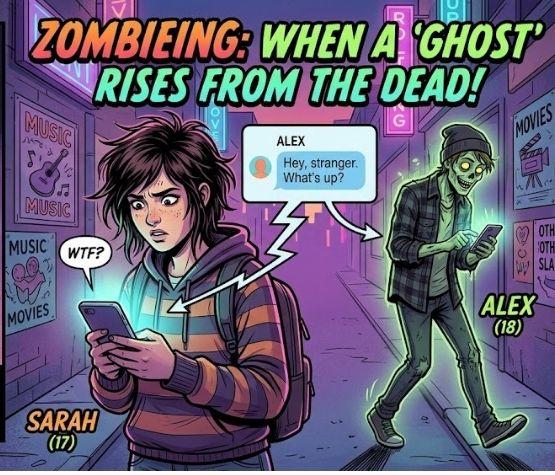
Just when you thought the digital dating world couldn't get any spookier than ghosting, a new trend...
Read More
Have you ever found yourself replaying a five-second conversation in your head for hours? Or perhaps...
Read More