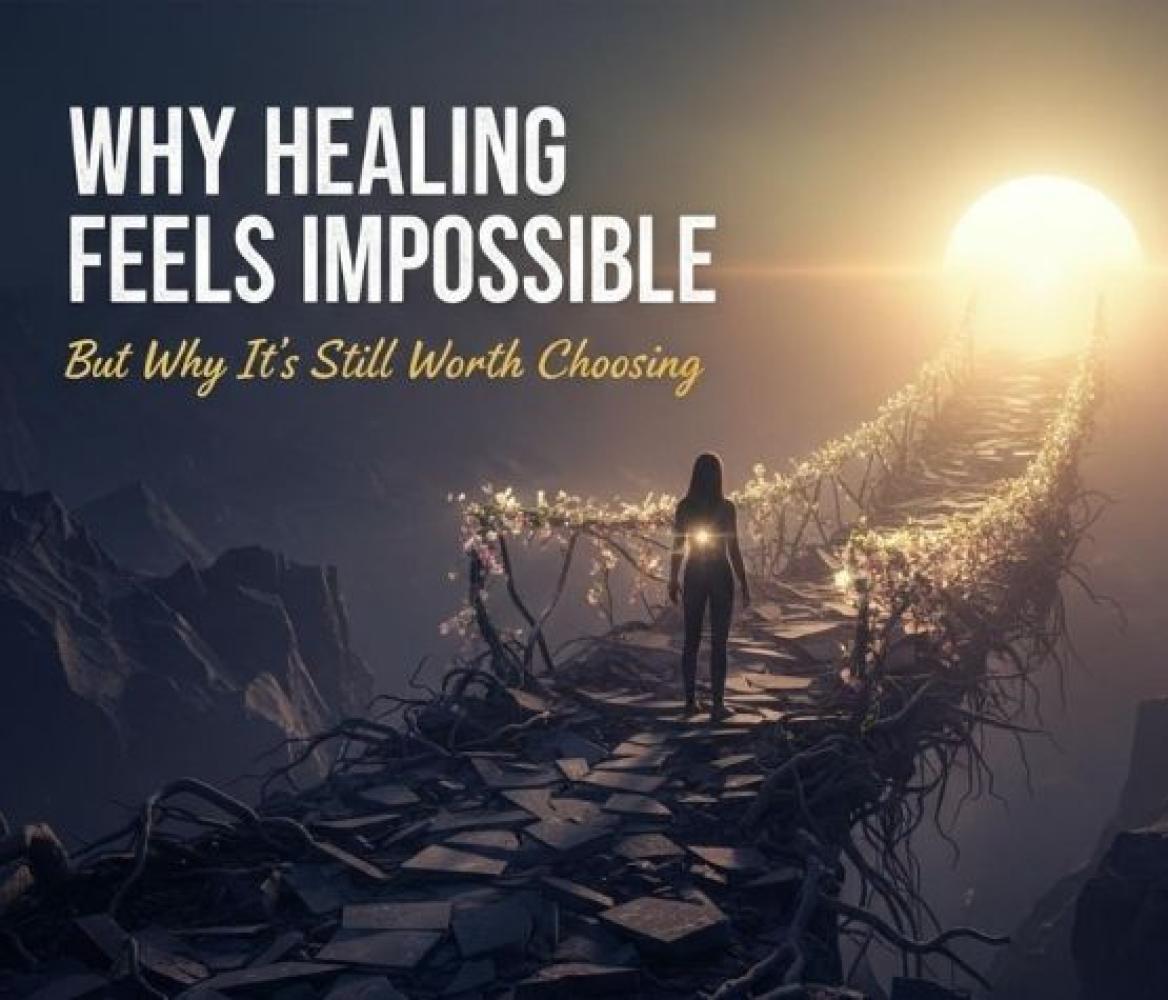
Many people experiencing emotional pain often feel that healing is impossible. In the middle of intense suffering, it can seem as though life will never return to balance. This feeling is not a sign of weakness, but rather a natural response of the human mind and body.
When overwhelming experiences occur, the brain’s first task is survival. To protect against being consumed by pain, the mind activates defense mechanisms:
These defenses serve an important purpose. They protect the individual from being completely flooded by distress at a time when coping might not be possible.
Problems arise when these defenses remain for too long. What was once a temporary shield can turn into a way of life.
Pain that is not processed does not vanish; it becomes part of behavioral and emotional patterns.
Triggers are cues, a sound, a tone of voice, or even a familiar environment that brings the past rushing into the present. When healing has not taken place, triggers activate old pain with surprising intensity.
Healing changes this process. Triggers may still be noticed, but they no longer dominate. The response shifts from automatic reactivity to thoughtful awareness.
Healing is not the erasure of pain but the integration of it. Through therapy, reflection, or safe and supportive connections, emotions are acknowledged and processed. Over time, the nervous system learns that the danger has passed, and the constant “alarm” begins to settle.
Although difficult, healing is always possible. Progress may feel slow and uneven, yet every effort made toward facing pain reduces its power over daily life.
Avoidance may seem easier in the short term, but it prolongs suffering. Choosing healing allows life to be lived with greater freedom. Instead of old wounds spilling over into every situation, experiences can be met with clarity and stability.
Healing rarely feels straightforward. It requires patience, courage, and persistence. Yet choosing to heal transforms pain from a controlling force into a part of the past that no longer defines the present.
Defense mechanisms may protect in moments of crisis, but healing ensures growth beyond survival into a life that feels whole again.
It’s the moment every parent dreads, yet secretly hopes for. Your teenager walks into the room, shif...
Read More
Life leaves its marks on us, doesn’t it? Not just the visible ones—the faded childhood scrape on a k...
Read More
We’ve all been there. It’s 2:00 AM, you’re three hours deep into a Insta scroll-hole, or maybe you’r...
Read More